Goal
Dominate a crowded athletic market by building emotional relevance beyond product performance.
The Market in a Nutshell
The global sportswear market exceeds hundreds of billions in value and continues to grow steadily.
- Major competitors include Adidas, Puma, Under Armour and emerging DTC performance brands.
- Most competitors compete on technology, comfort, performance features and price positioning.
- The category is saturated with functional claims.
Challenge
- Highly competitive global sportswear industry.
- Product performance is easily replicable.
- Technological advantages are temporary.
- Need to differentiate beyond features.
Strategic Highlights
01
Brand Positioning Over Product Features
- Nike rarely leads with fabric composition, cushioning technology specs or material breakdown.
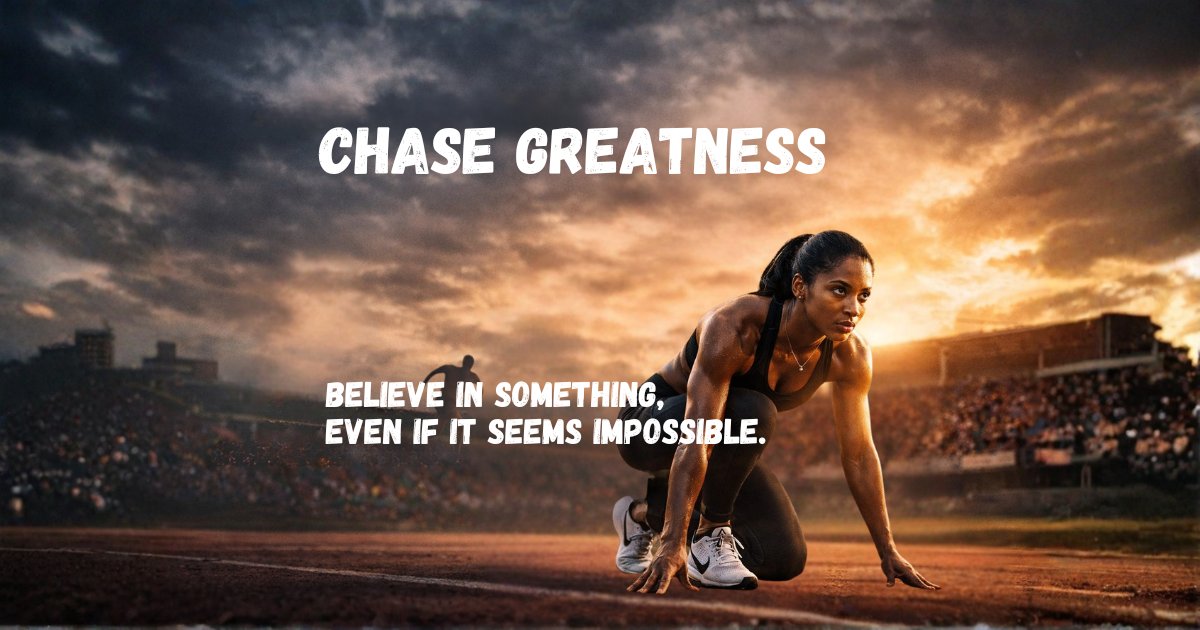
- Instead, it leads with identity, ambition, personal victory and cultural relevance.
Shift: Feature-driven marketing → Identity-driven positioning
02
Emotional Storytelling
- Campaigns such as "Just Do It" focus on everyday athletes, underdog stories, cultural moments and social narratives.
- The product becomes secondary. The emotion becomes primary.
Shift: Product performance → Emotional empowerment
03
Cultural Alignment
- Nike integrates into social movements, youth culture, athlete activism and global sporting moments.
- This positions Nike as a cultural symbol, not just a shoe brand.
Shift: Sports brand → Cultural force
Strategic Outcome
- Nike commands premium pricing despite similar product functionality to competitors.
- High brand loyalty and repeat purchase.
- Global recognition built on values, not features.
- Sustained dominance across decades of competition.
Key Strategic Shifts
- Emotion > Engineering
- Identity > Product specification
- Cultural relevance > Functional differentiation
- Positioning > Performance claims